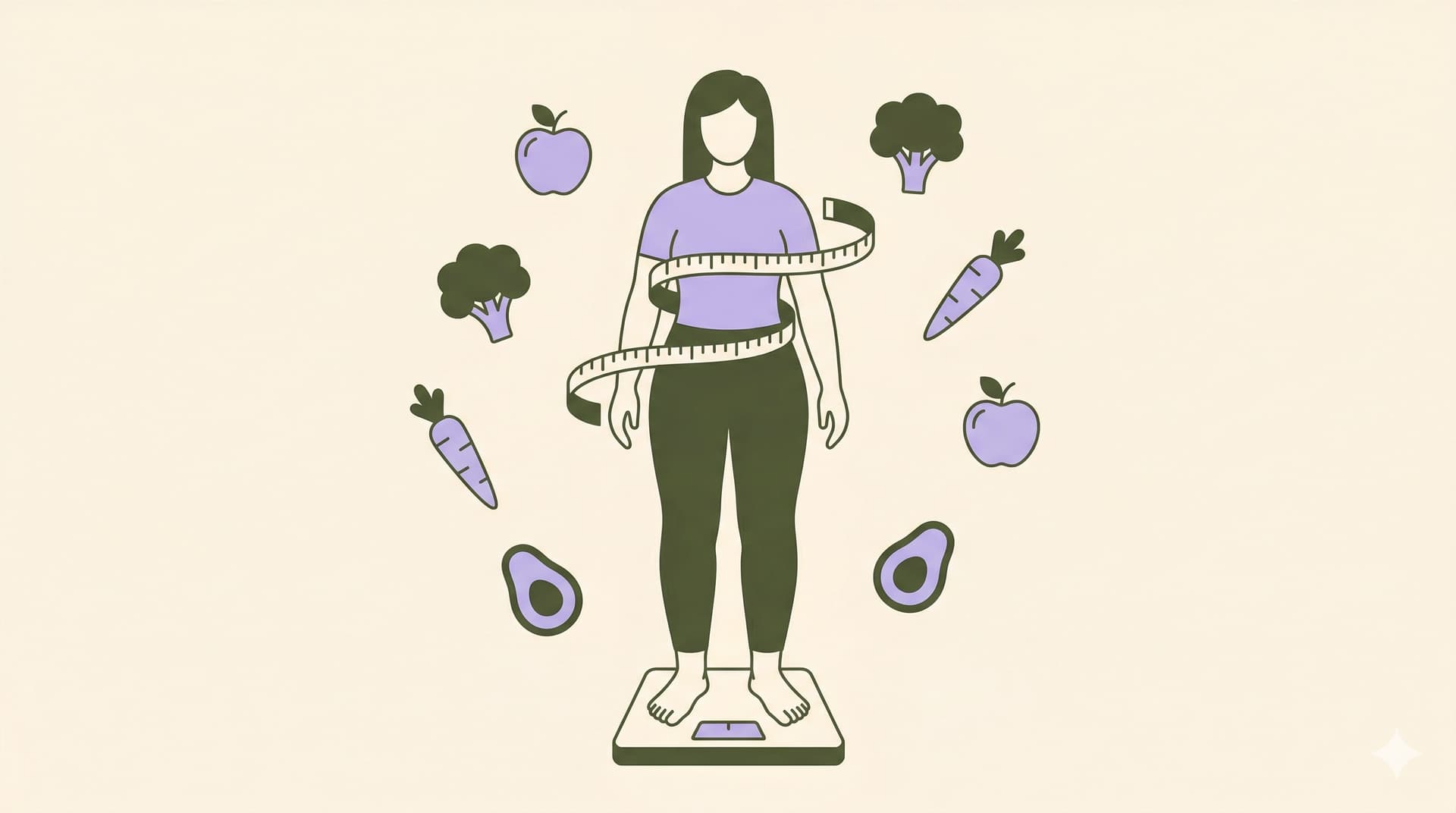
What is BMI? The Body Mass Index explained
BMI stands for Body Mass Index, an internationally recognised measure that expresses your body weight in relation to your height. The index was developed in the 19th century by the Belgian mathematician Adolphe Quetelet and is used today by doctors, dietitians and health organisations worldwide as a first screening for underweight and overweight.
The calculation is simple: you divide your weight in kilograms by the square of your height in metres. The result is a number that indicates which weight category you fall into. The World Health Organization (WHO) considers a BMI between 18.5 and 24.9 a healthy weight for adults.
BMI Formula
BMI = weight (kg) / height (m)²
Example: 82 kg / (1.75 m)² = 82 / 3.0625 = 26.8 (overweight)
Calculating BMI: step by step
To calculate your BMI you need two figures: your height in centimetres and your weight in kilograms. Ideally measure your height in the morning (you are slightly taller then than in the evening) and weigh yourself without clothes or shoes. Use our calculator at the top of this page for an instant and accurate result.
The manual calculation works as follows: say you are 1.80 metres tall and weigh 90 kilograms. First square your height: 1.80 × 1.80 = 3.24. Then divide your weight by this number: 90 / 3.24 = 27.8. Your BMI is 27.8, which falls into the overweight category.
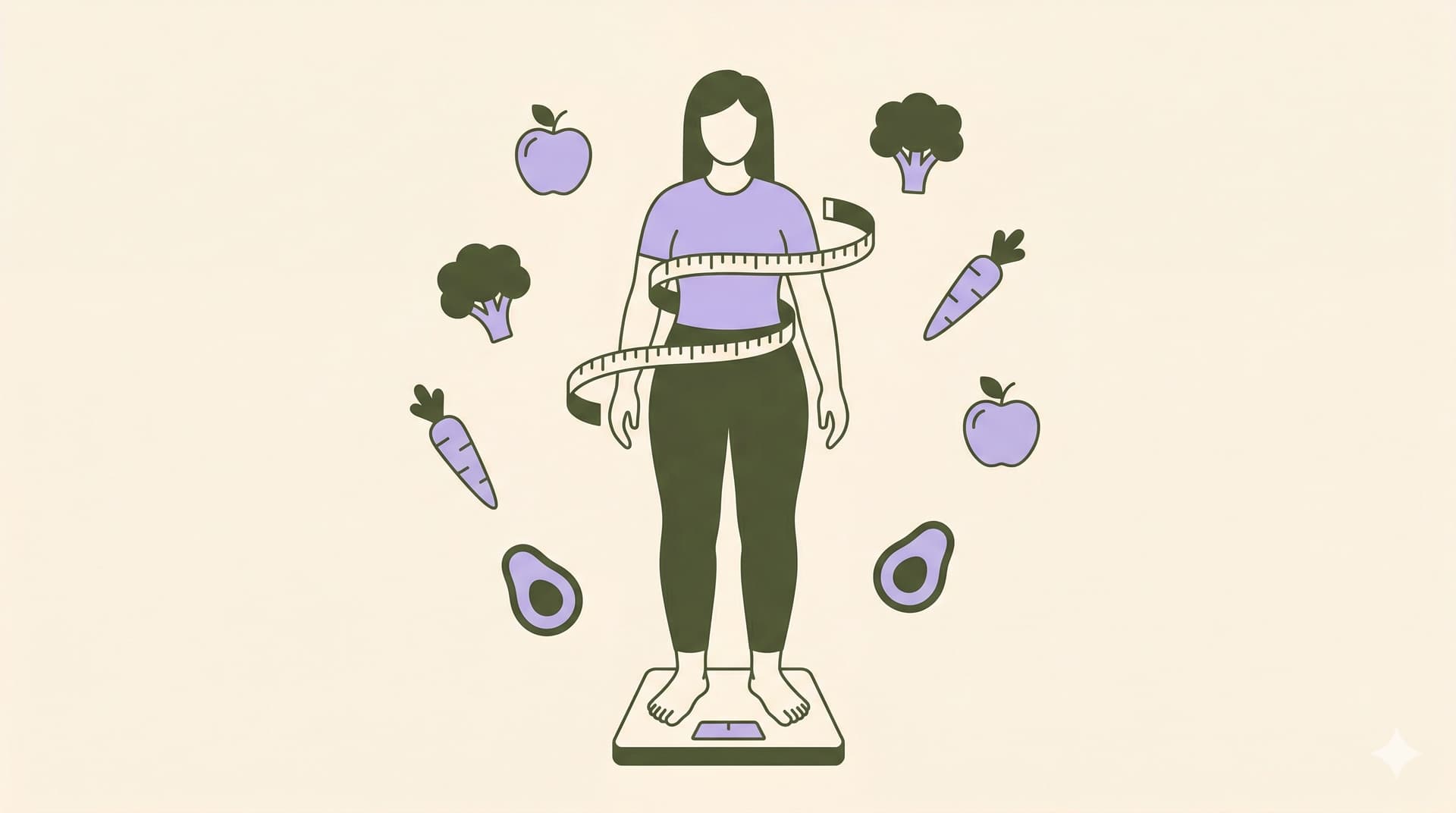
BMI limitations: when is BMI not reliable?
Although BMI is a handy and quick indicator, it has limitations. The most important is that BMI does not distinguish between fat mass and muscle mass. A bodybuilder with a lot of muscle mass can have a BMI above 30 without actually being overweight. Conversely, someone with little muscle mass but a lot of abdominal fat can have a normal BMI while still facing health risks.
In addition, BMI does not take age, sex, ethnicity or fat distribution into account. For older adults (65+), doctors sometimes apply broader norms, because being slightly overweight at an older age can be protective. For children and teenagers, special growth charts (percentile curves) are used instead of the standard BMI scale.
That is why, alongside BMI, doctors also look at other measurements: waist circumference (a measure of visceral fat), body fat percentage, blood pressure, cholesterol levels and blood sugar levels. Together these values give a more complete picture of your health than BMI alone.
BMI by age and sex
The standard BMI formula is the same for men and women. Yet there are important nuances. Women naturally have a higher body fat percentage than men (20-25% versus 15-20% at a healthy weight). The same BMI can therefore represent a higher body fat percentage in women.
As we age, body composition changes: muscle mass decreases and fat mass increases, even if your weight stays the same. This means that BMI can underestimate the amount of body fat in older adults. Some researchers therefore argue for adjusted BMI norms per age group, but for now the WHO applies the same values to all adults.
Waist circumference as a complement to BMI
Alongside BMI, waist circumference is an important measurement. Fat that accumulates around the abdomen (visceral fat) is more dangerous than fat on the hips and legs. A waist circumference above 88 cm in women or above 102 cm in men indicates an increased risk of cardiovascular disease, type 2 diabetes and other metabolic conditions, regardless of BMI.

Overweight in the Netherlands: the figures
Being overweight is a growing problem in the Netherlands. According to the most recent figures from Statistics Netherlands (CBS) and the RIVM, around half of Dutch adults (18+) have a BMI of 25 or higher. Approximately 15% have obesity (BMI 30+). The percentage of overweight is slightly higher among men than women, but the gap is narrowing.
The rise in overweight has several causes: a more sedentary lifestyle, greater availability of calorie-dense food and a stressful work-life balance. Being overweight increases the risk of numerous chronic conditions, including type 2 diabetes, cardiovascular disease, joint problems and certain types of cancer.
Lowering your BMI: what can you do?
You achieve a lower BMI by adjusting your energy balance: consuming fewer calories than you burn. This sounds simple, but in practice hormonal hunger regulation plays a major role. That is why a combination of lifestyle changes and, where appropriate, medical support is most effective.
Nutrition
Choose protein-rich and fibre-rich foods. Eat more vegetables, legumes and wholegrain products. Limit sugary drinks and processed food. A protein-rich diet helps preserve muscle mass while losing weight.
Exercise
Aim for at least 150 minutes of moderate-intensity exercise per week (brisk walking, cycling, swimming). Add strength training twice a week to preserve muscle mass. Every extra step counts.
Sleep & stress
Poor sleep and chronic stress raise cortisol, which promotes fat storage around the abdomen. Aim for 7-9 hours of sleep per night and look for ways to reduce stress.
Medical help
With a BMI above 30 (or 27+ with comorbidities), GLP-1 medication can reduce hunger and lead to 10-20% weight loss. Read more about the GLP-1 medication options.
When to seek medical help for overweight?
With a BMI above 25 it is wise to take a close look at your lifestyle. From a BMI of 27 with additional risk factors (type 2 diabetes, high blood pressure, sleep apnoea) or a BMI of 30 or higher, medical treatment comes into the picture. Modern GLP-1 medication mimics the body's natural satiety hormone, so you feel less hungry and full sooner. Clinical studies show an average of 15-20% weight loss over 68 weeks.
Is your BMI above 27?
At Go Leaner, BIG-registered doctors assess free of charge whether GLP-1 medication is suitable for you. You complete a short medical questionnaire and receive personal advice within 24 hours. Read more about how it works and our pricing.
Start your free intake →More information
BMI and Obesity Guide →
In-depth information on health risks and treatment options
GLP-1 Medication Guide →
Everything about how GLP-1 works, its effectiveness and side effects
Nutrition on GLP-1 →
Nutrition tips and guidelines during GLP-1 treatment
GLP-1 Side Effects →
What to expect and how to manage it
GLP-1 Medication →
Overview of the treatment options and how they work
How it works →
From online questionnaire to intake consultation with a BIG-registered doctor